
Story
Winter Start in Lucerne! Snow, Reuss and Light
On 3 January 2026, Lucerne was covered in fresh snow for a short time. This story follows the quiet morning in the city and the golden evening light near Mount Pilatus, with photographic observations and practical tips for winter images.
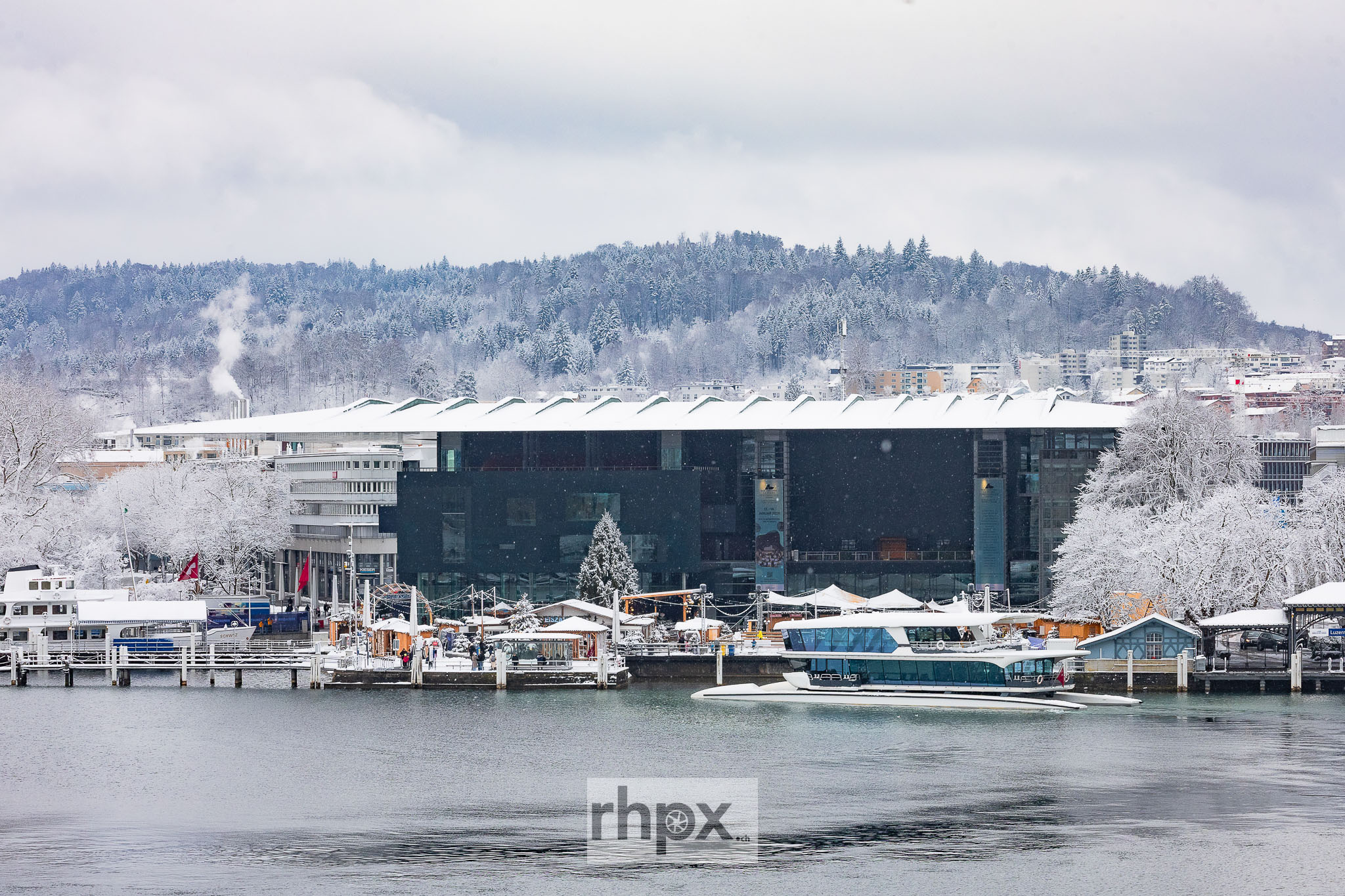
On 3 January 2026, Lucerne saw the first proper snow of the year. In the city, snow is often a brief moment. It rarely stays untouched for long before paths, squares and streets turn wet and grey again. That is why it is worth heading out early.
The view from the window that morning was clear enough. I packed my camera and set off early towards the city. Lucerne was still quiet, many streets were almost empty, and fresh snow lay on roofs, bridges and stone walls along the river.
Walking through snow-covered Lucerne changes the way familiar places appear. Sounds become softer, outlines clearer, and even well-known subjects feel more reduced. This atmosphere is especially visible along the Reuss.
Snow on the Chapel Bridge
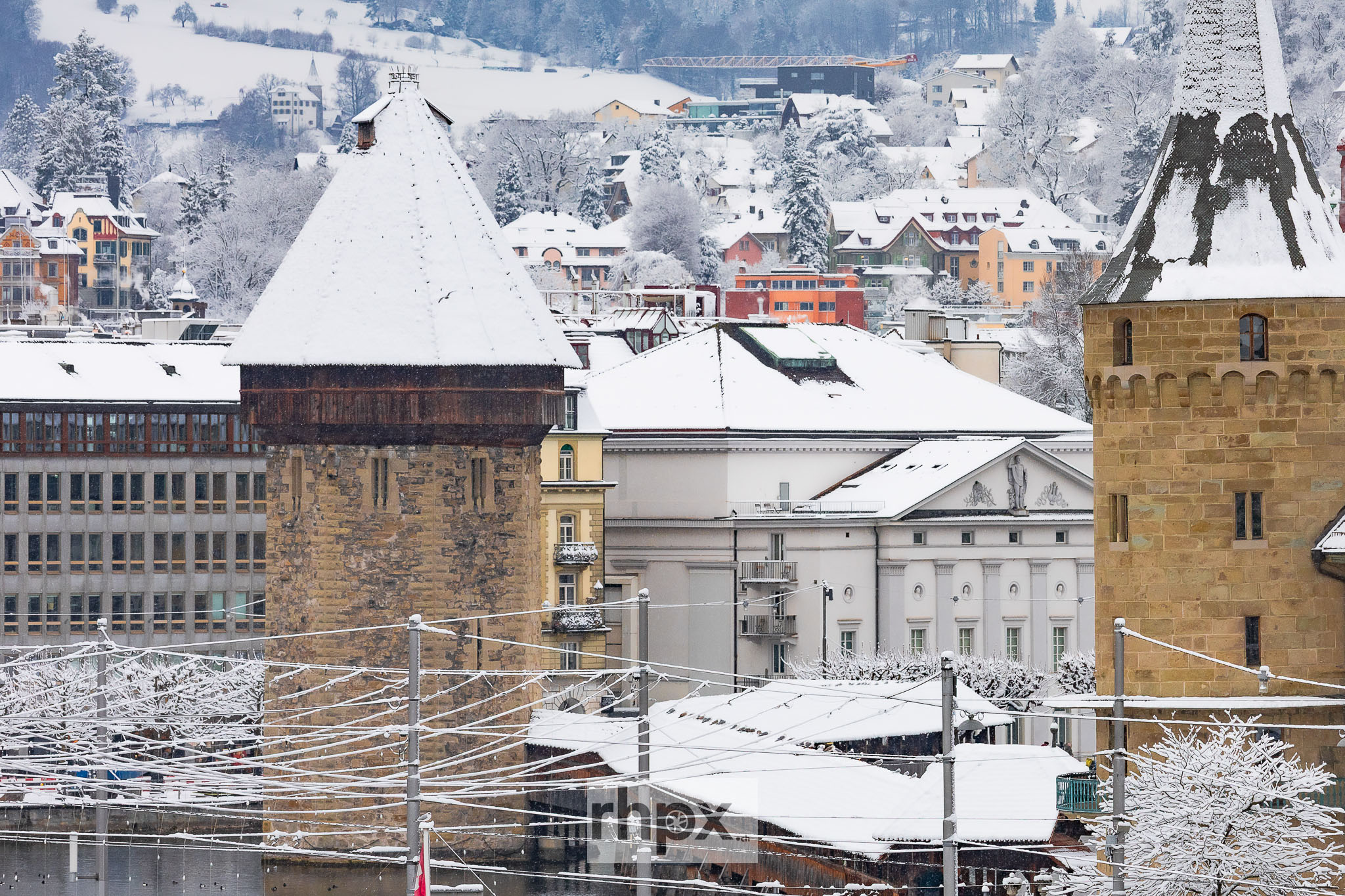
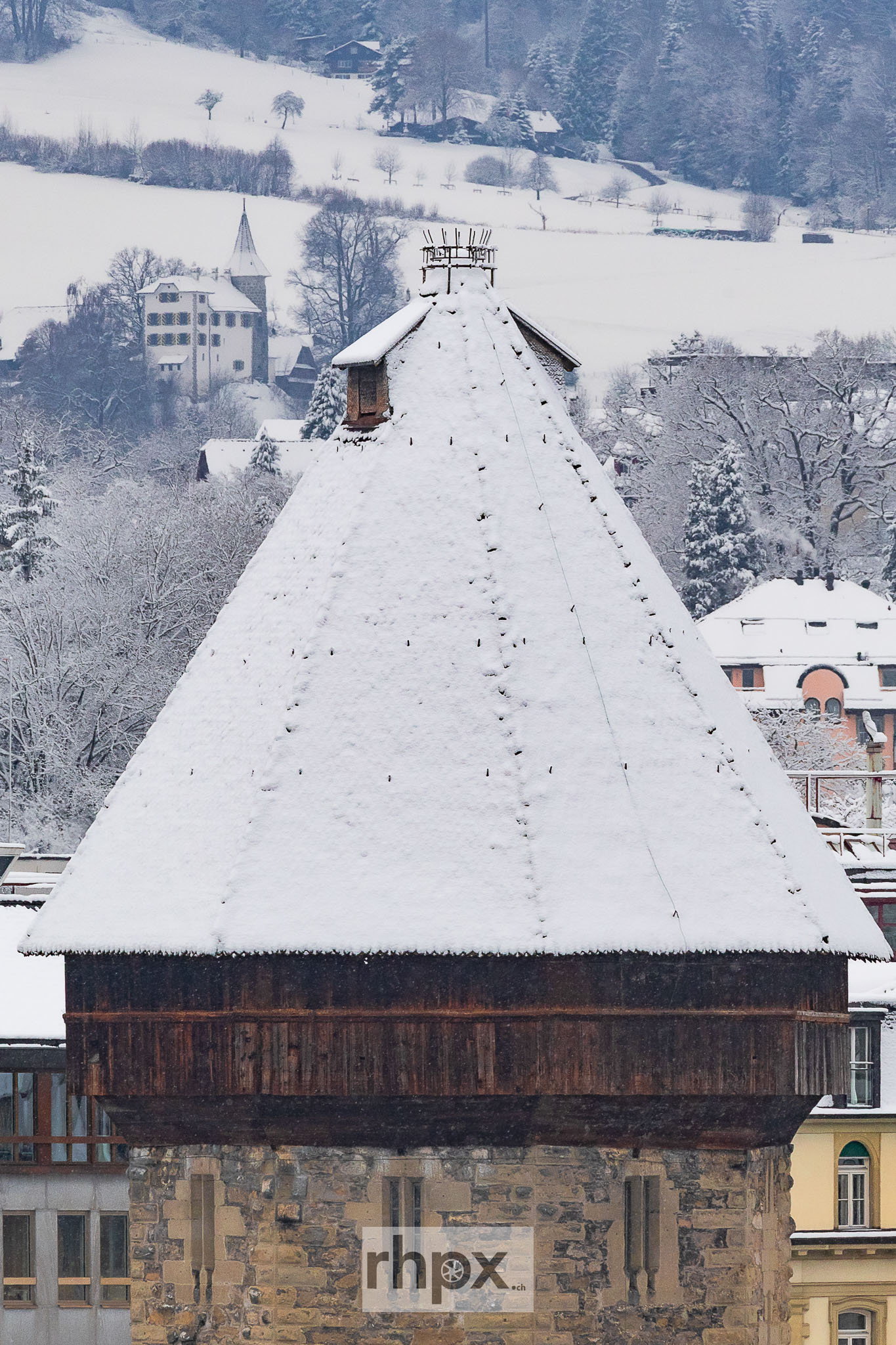
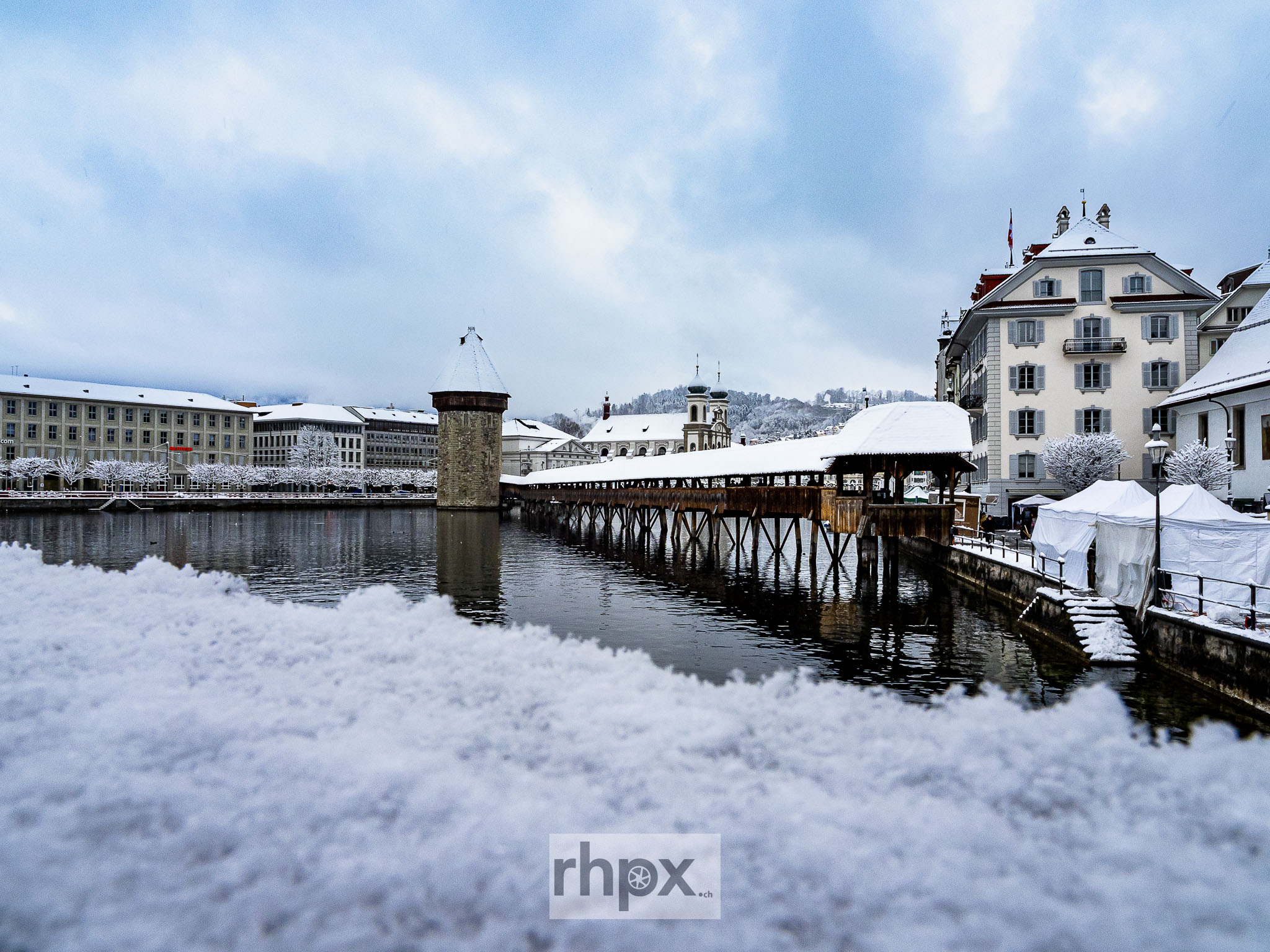
What makes winter photography in Lucerne interesting is the contrast. The Chapel Bridge with its dark wooden structure, the water of the Reuss and the bright white snow on the roof create a strong graphic tension. For a short time, the snow slows down the visual movement of the city and places a calm layer over architecture and water.
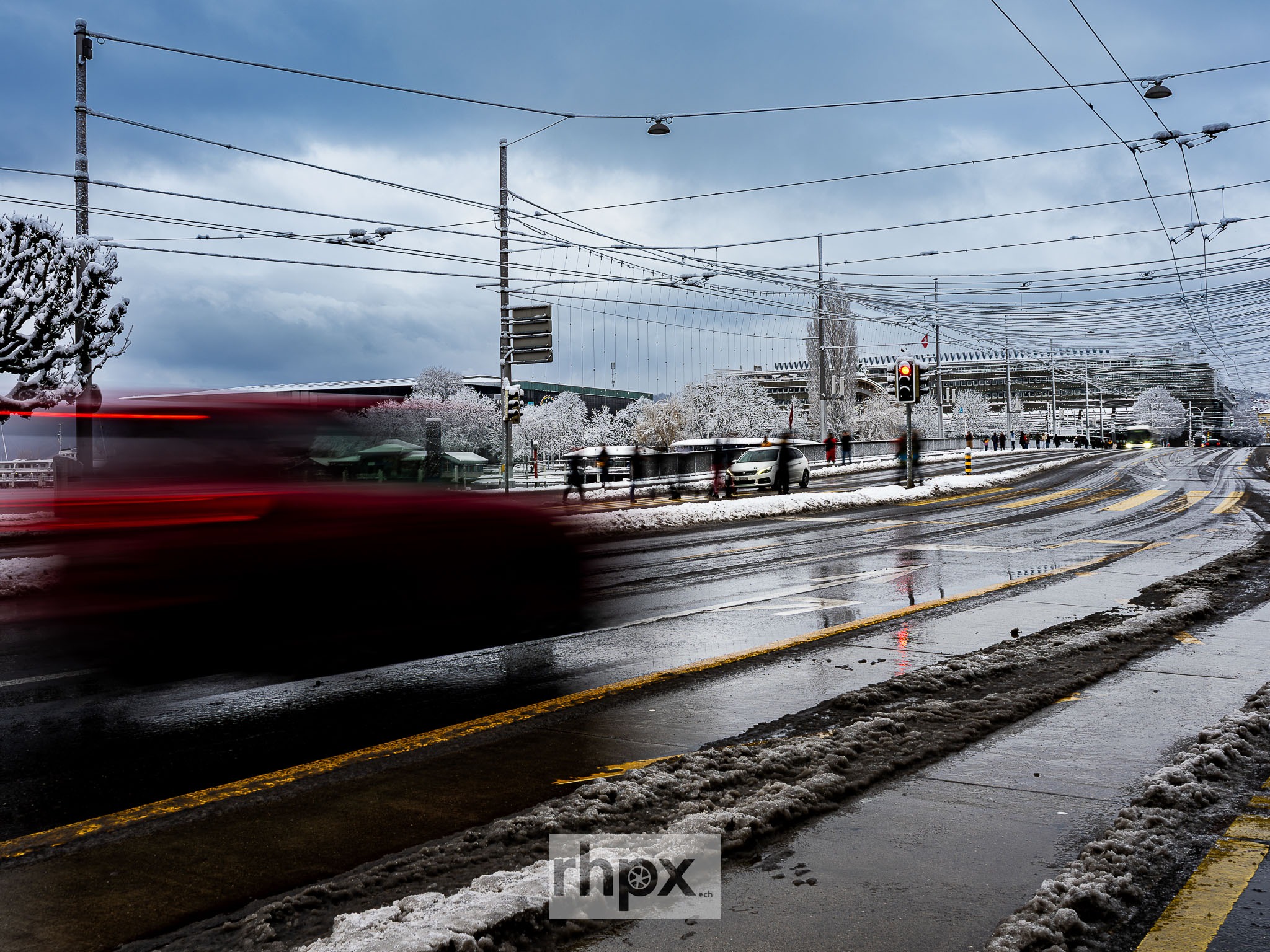
These moments are valuable for photography because they do not last long. A few hours later, pedestrians, thaw and traffic change the scene. If you want to photograph fresh winter scenes in the city, it helps to start early and look for simple subjects: roofs, bridge railings, reflections, tracks in the snow and small accents of colour.
Photography tips for snow in the city
Adjust exposure consciously
Snow can be difficult for a camera’s light meter. Large bright areas are often rendered too dark because the camera tries to move them towards middle grey. A slight positive exposure compensation can help keep the snow bright. Depending on the scene, around +0.7 to +1.0 EV is a useful starting point.
Look for accents of colour
Under an overcast sky, a snow-covered city can quickly appear flat. Small colour accents give the image structure. In Lucerne, these can be red flags, warm lights in the old town, dark wooden surfaces or reflections on wet ground.
Use a longer focal length to compress snowfall
When snow is still falling, it often appears less visible with a wide-angle lens. A longer focal length can help visually compress the snowflakes. This makes the atmosphere stronger in the image without exaggerating the scene.
Golden evening light near Mount Pilatus
The day did not end with the morning snow. Towards evening, the clouds opened and the low sun brought warm light into the snowy landscape. Around Mount Pilatus, the contrast between cold shadows and golden light became especially strong.
Situations like this are brief. The light changes within minutes, and the position of the sun determines whether an image remains calm or becomes too harsh. For me, this evening light was an important counterpoint to the quiet morning in the city: first soft white, then warm light over snow and mountains.
Photography tips for sun stars and backlight
Use a small aperture
For clear rays of light, a small aperture is usually needed. Settings such as f/16 or f/22 can create a sun star because the light is diffracted by the aperture blades. It is still worth watching sharpness and possible diffraction effects.
Use edges
A sun star often appears clearer when the sun is not fully open in the sky, but partly hidden by an edge. This can be a mountain ridge, a tree trunk, a roofline or the corner of a building. The moment when the sun just begins to appear is often the strongest.
Clean the front element
When photographing directly into the sun, dust, water drops or fingerprints on the front element quickly become visible. A clean lens helps reduce distracting flare and keeps the rays of light clearer.
Image selection for this story
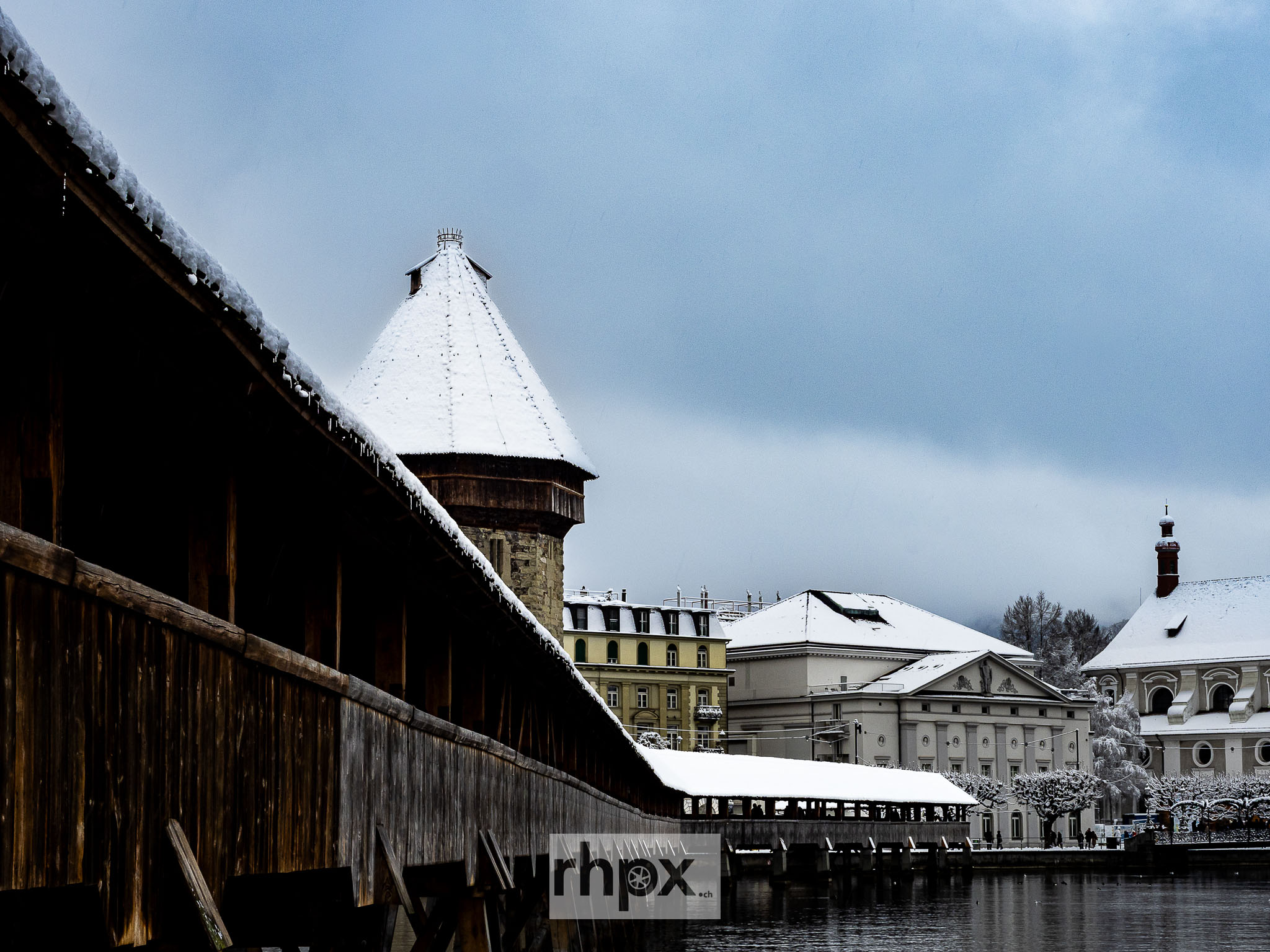
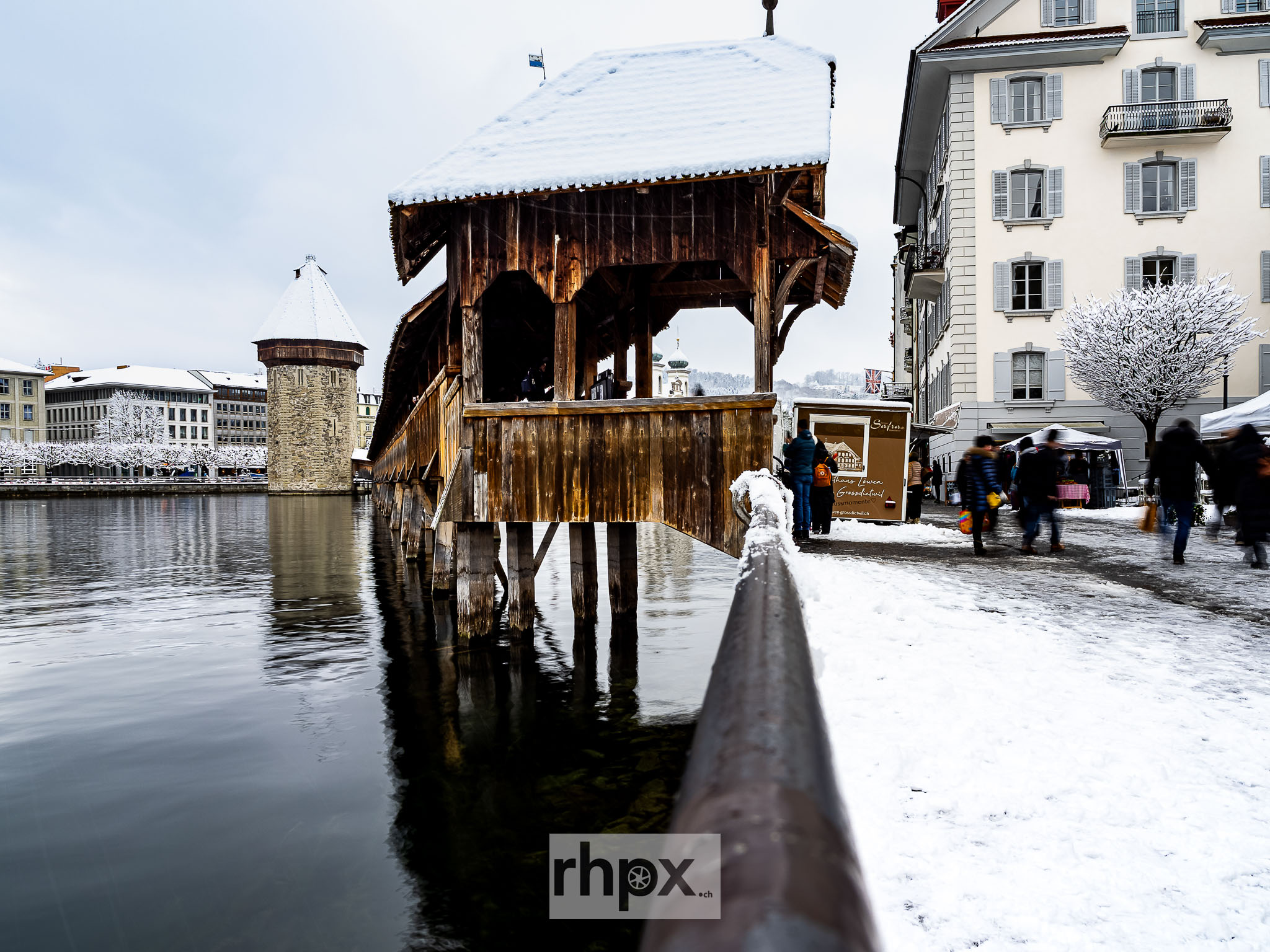
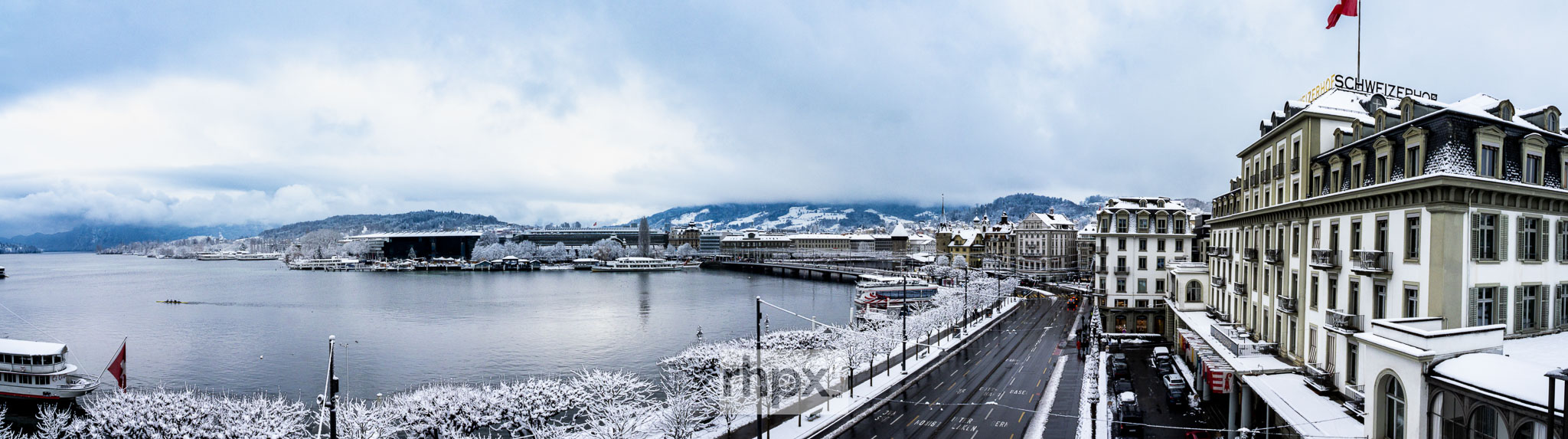
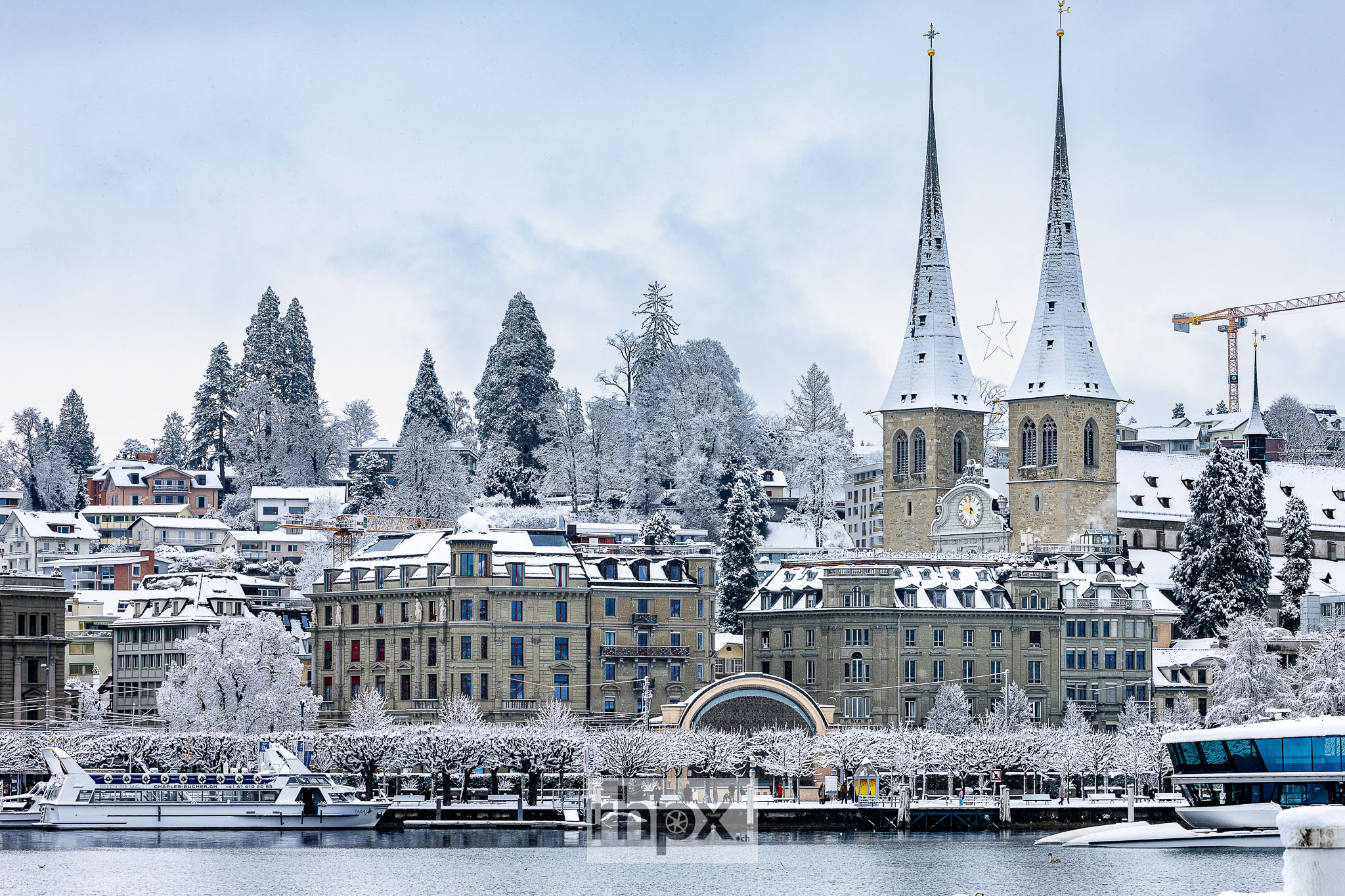
More photographs from this series are available in the complete gallery.
View the complete gallery