
Story
Mount Pilatus in Winter: Above the Fog
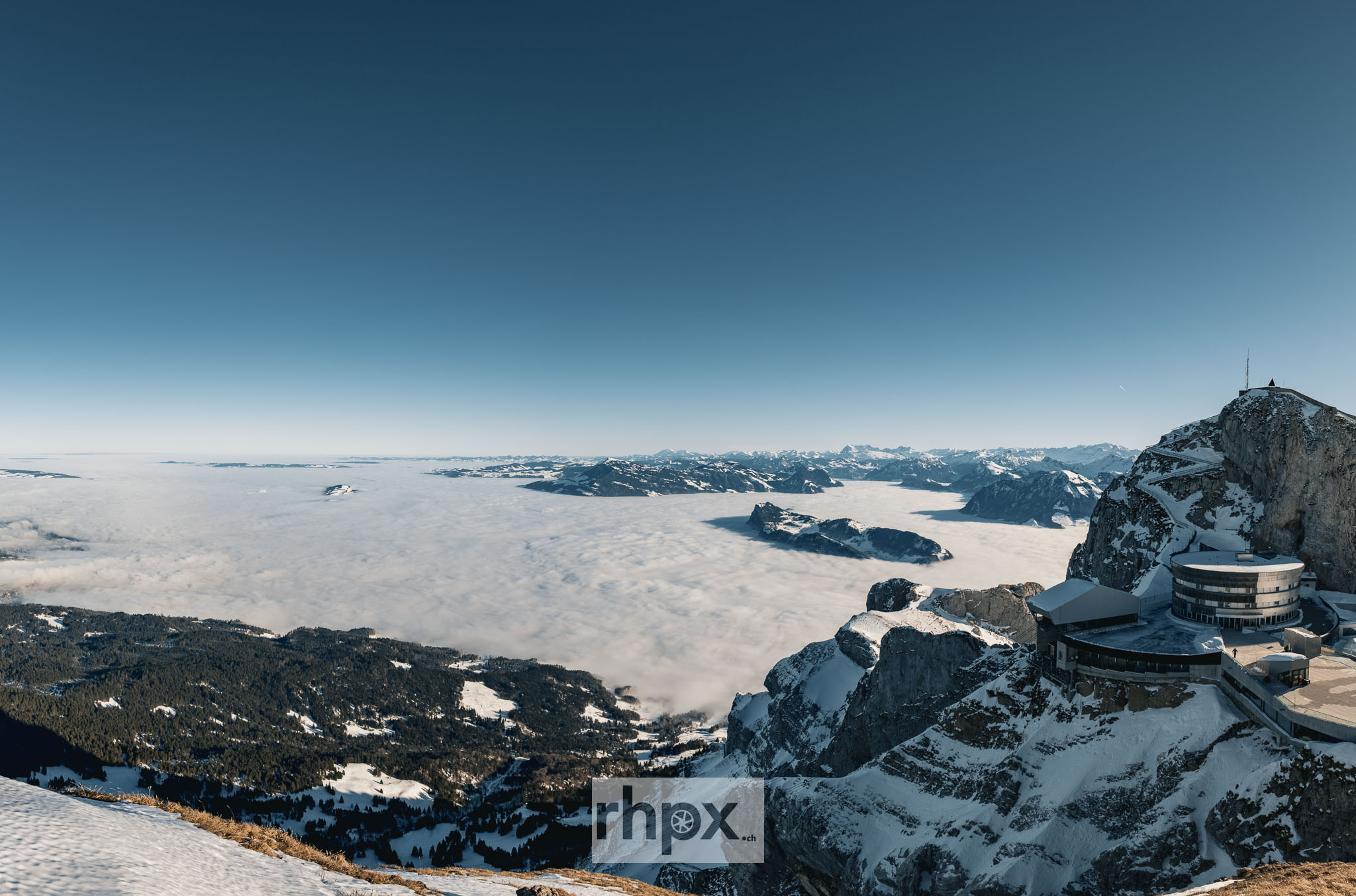
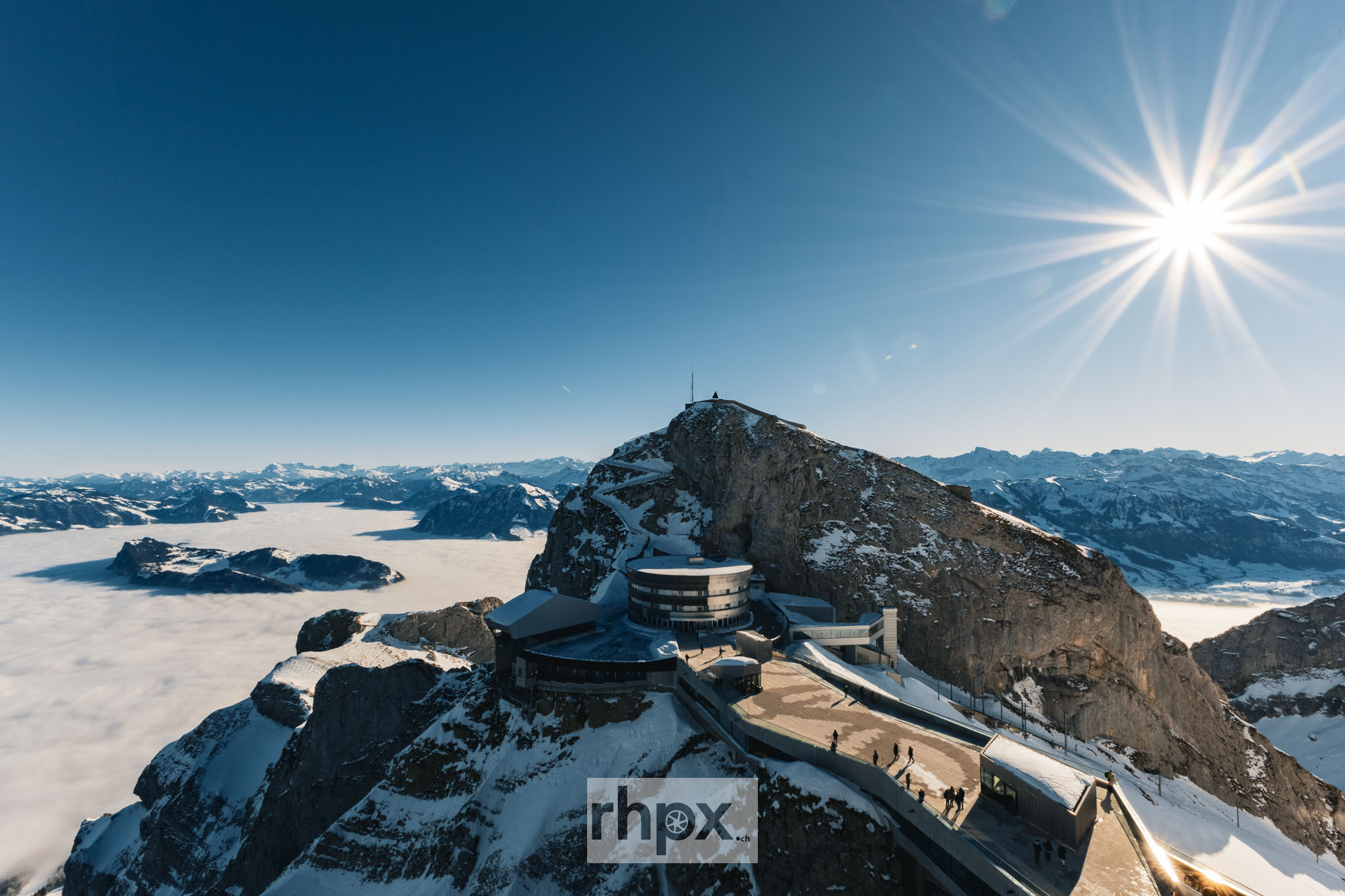
When low fog covers Lucerne, Mount Pilatus often reveals a completely different atmosphere above the city. This story follows the route from the grey valley into clear winter light, snow, rock and wide views above the cloud layer.
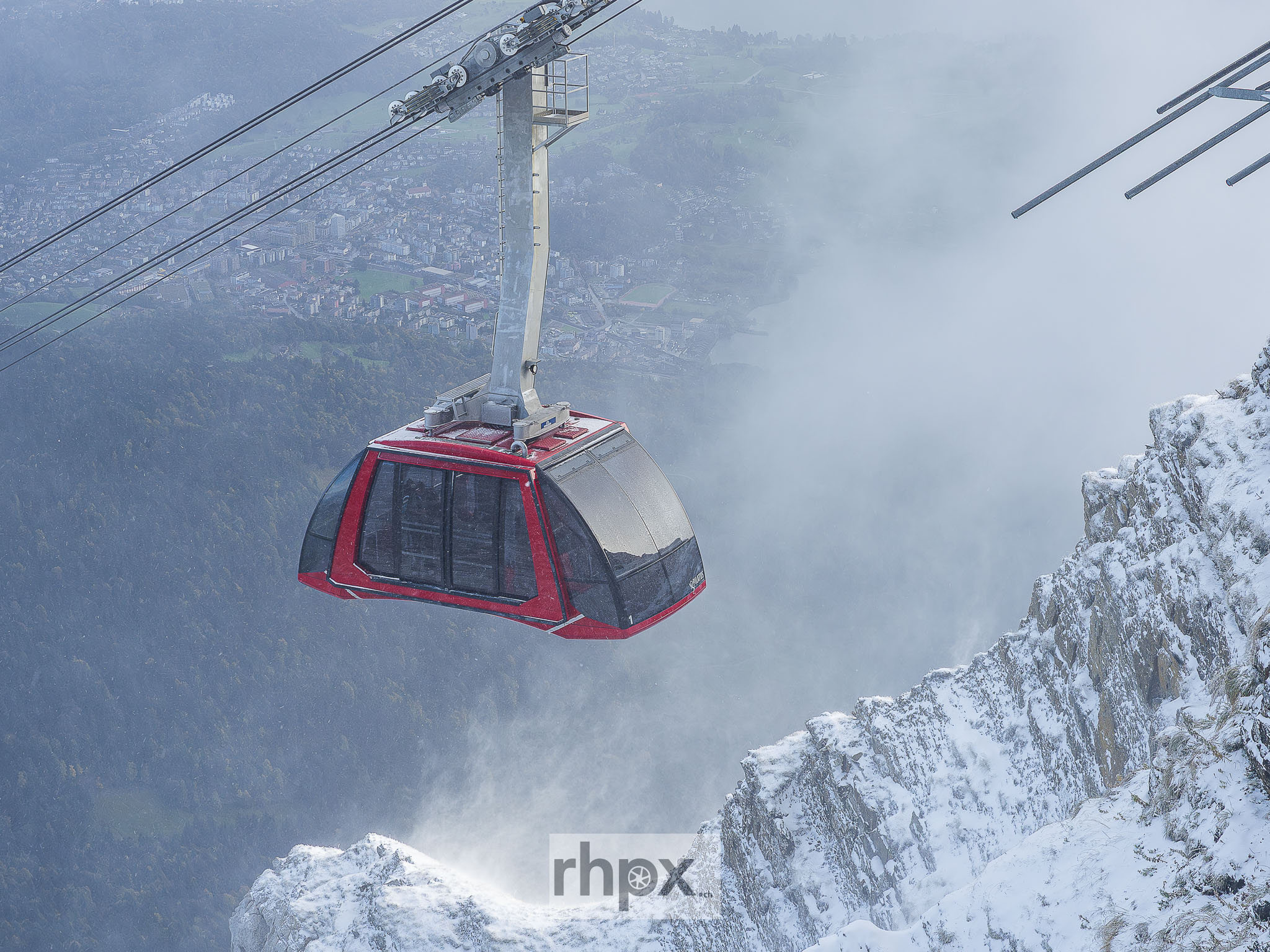
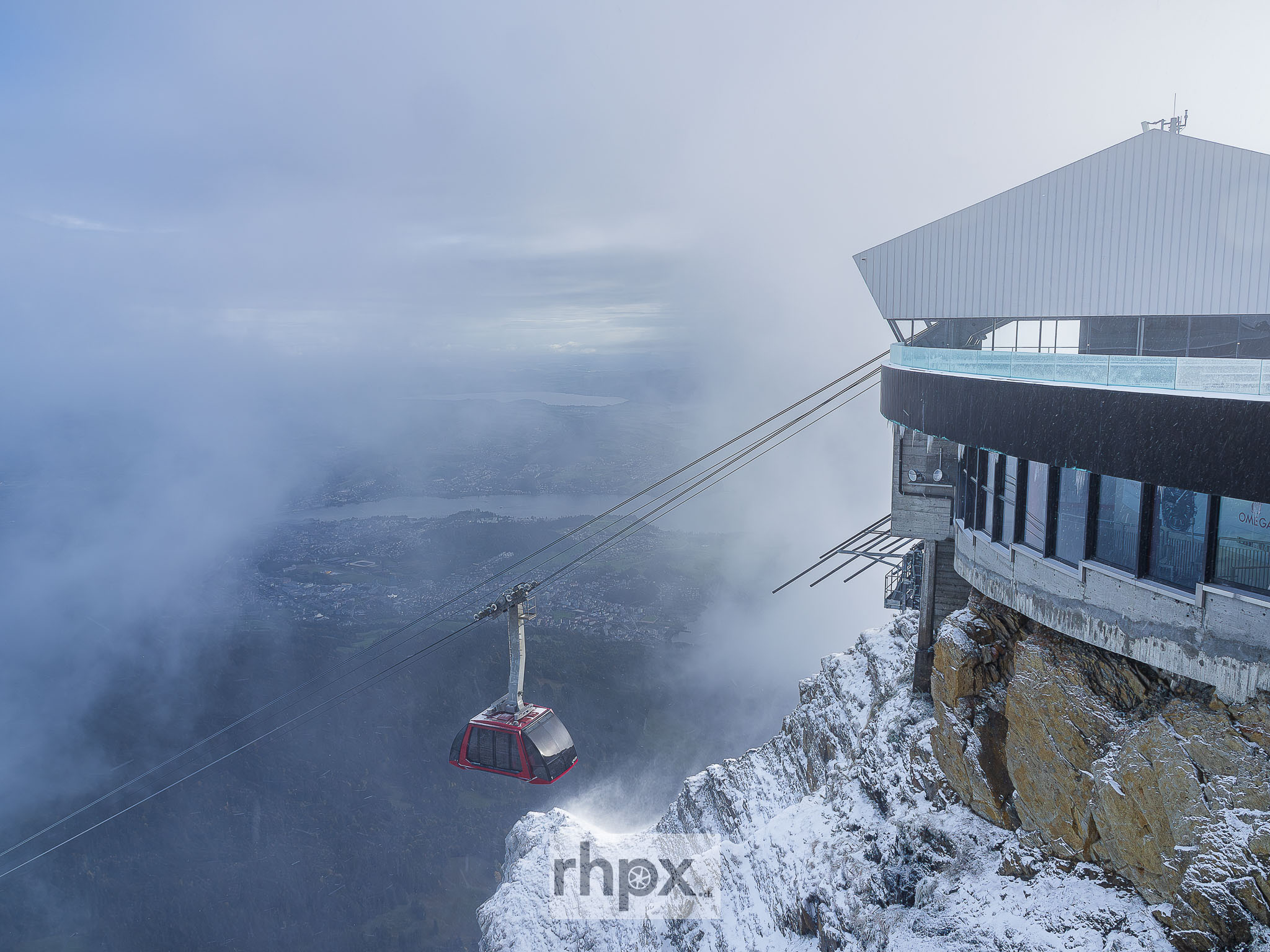
Do you know the dense grey light in Lucerne when low fog lies over the city like a quiet lid? On a day like that, I packed my camera and headed towards Mount Pilatus. My aim was not only the summit, but that particular transition: the moment when the gondola rises through the fog and light, snow and open space suddenly appear.
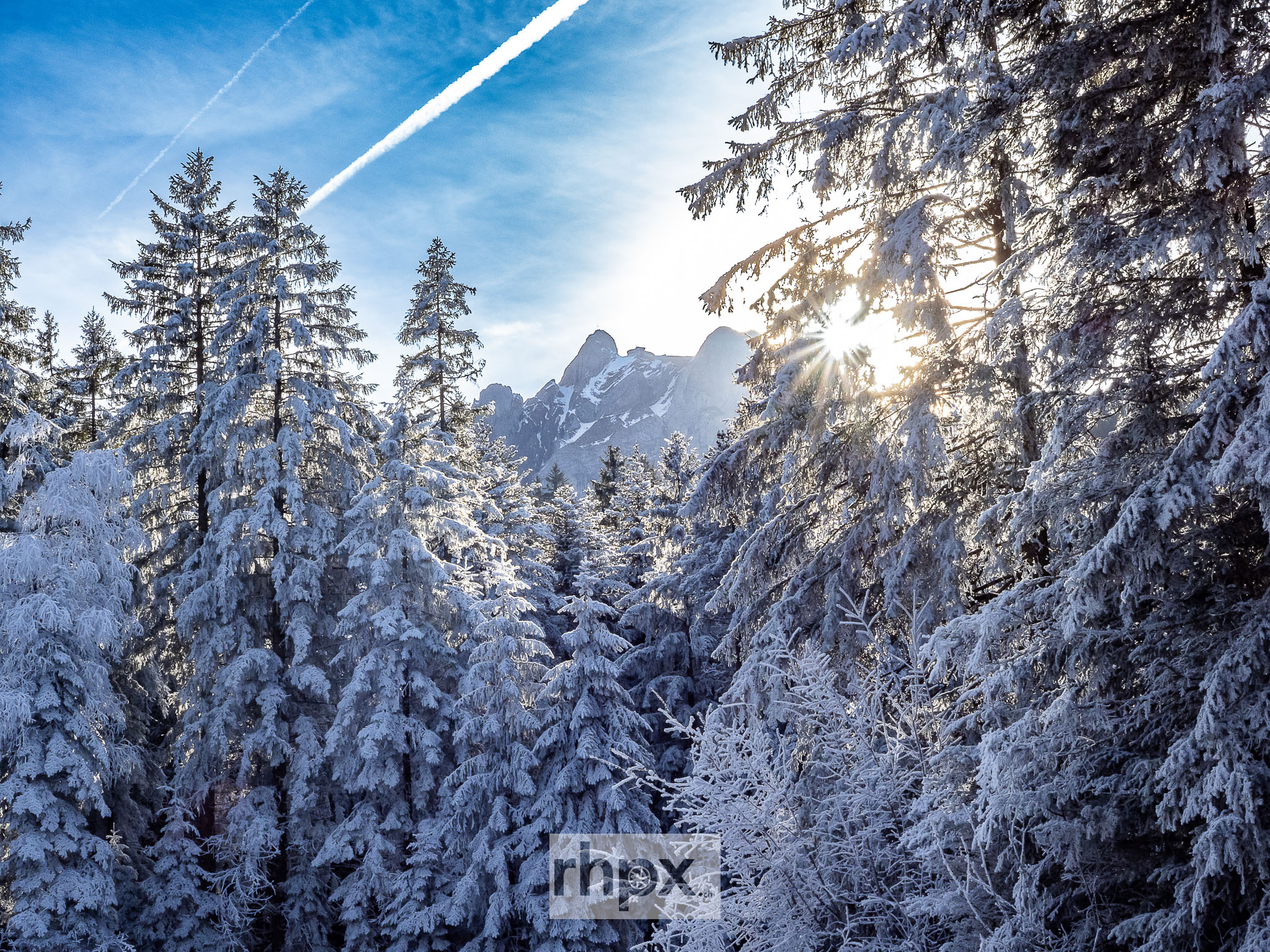
Once you arrive higher up, the atmosphere changes immediately. Sounds become softer, the snow absorbs every step, and the view opens across Central Switzerland. Between frozen fir trees, bright snowfields and clear winter air, there is a calm that is hard to feel down in the city.
Winter atmosphere above Lucerne
In winter, Mount Pilatus is more than a viewpoint. It is a clear contrast to the city under the fog. Down below, Lucerne, the Reuss and Lake Lucerne often remain in grey light. Above, the scene is shaped by snow, light and distant views. For photography, this contrast is especially interesting: dark shadows, bright surfaces and reduced forms define many compositions.
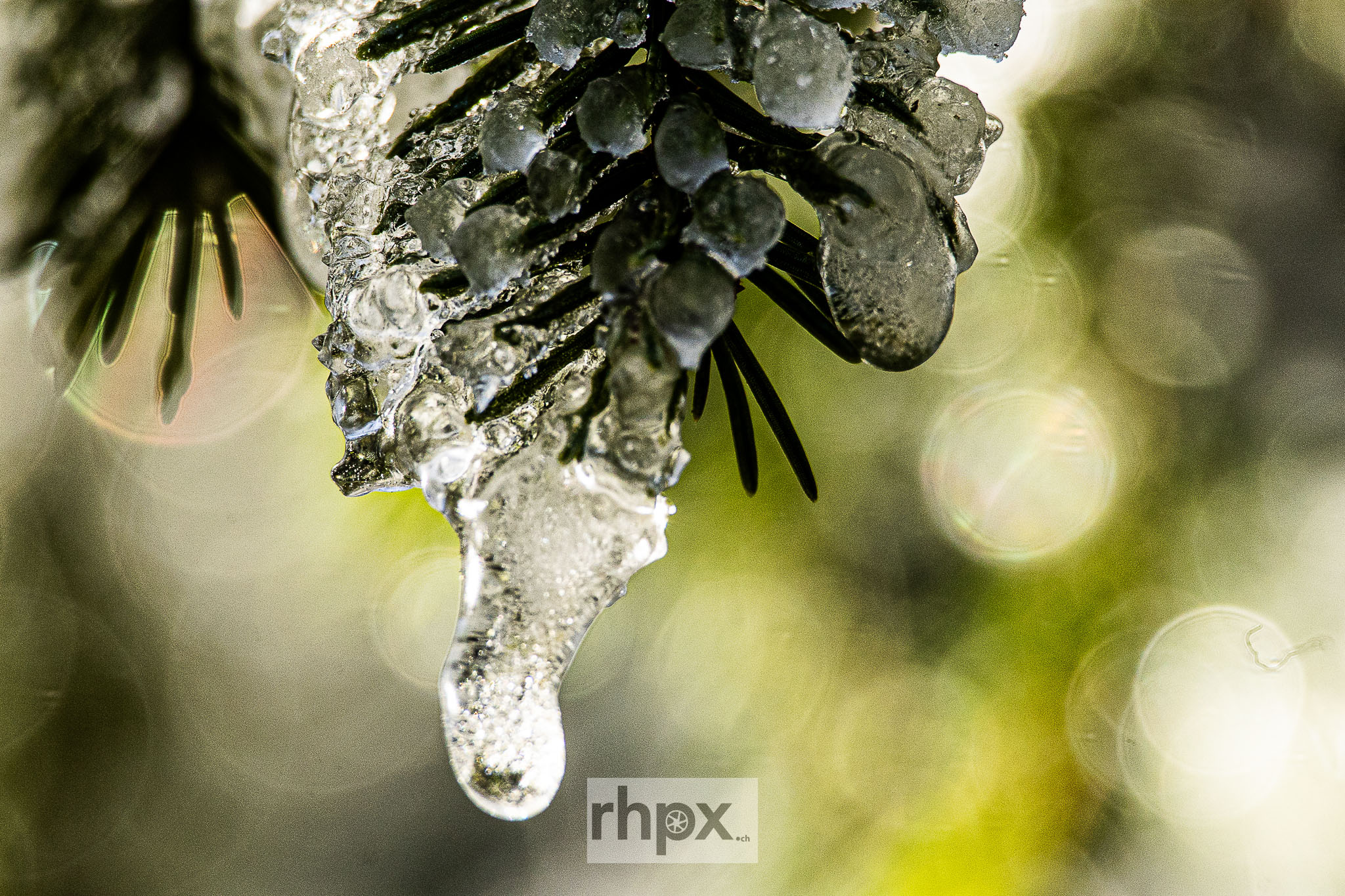
Early in the morning, the landscape often feels quieter and more restrained. The paths are calmer, there are fewer tracks in the snow, and the light falls at a lower angle across the slopes. For photographers, this is a good time to look for simple subjects: frozen branches, lines in the snow, silhouettes of fir trees and the wide view above the fog layer.
Photography tip for the visit
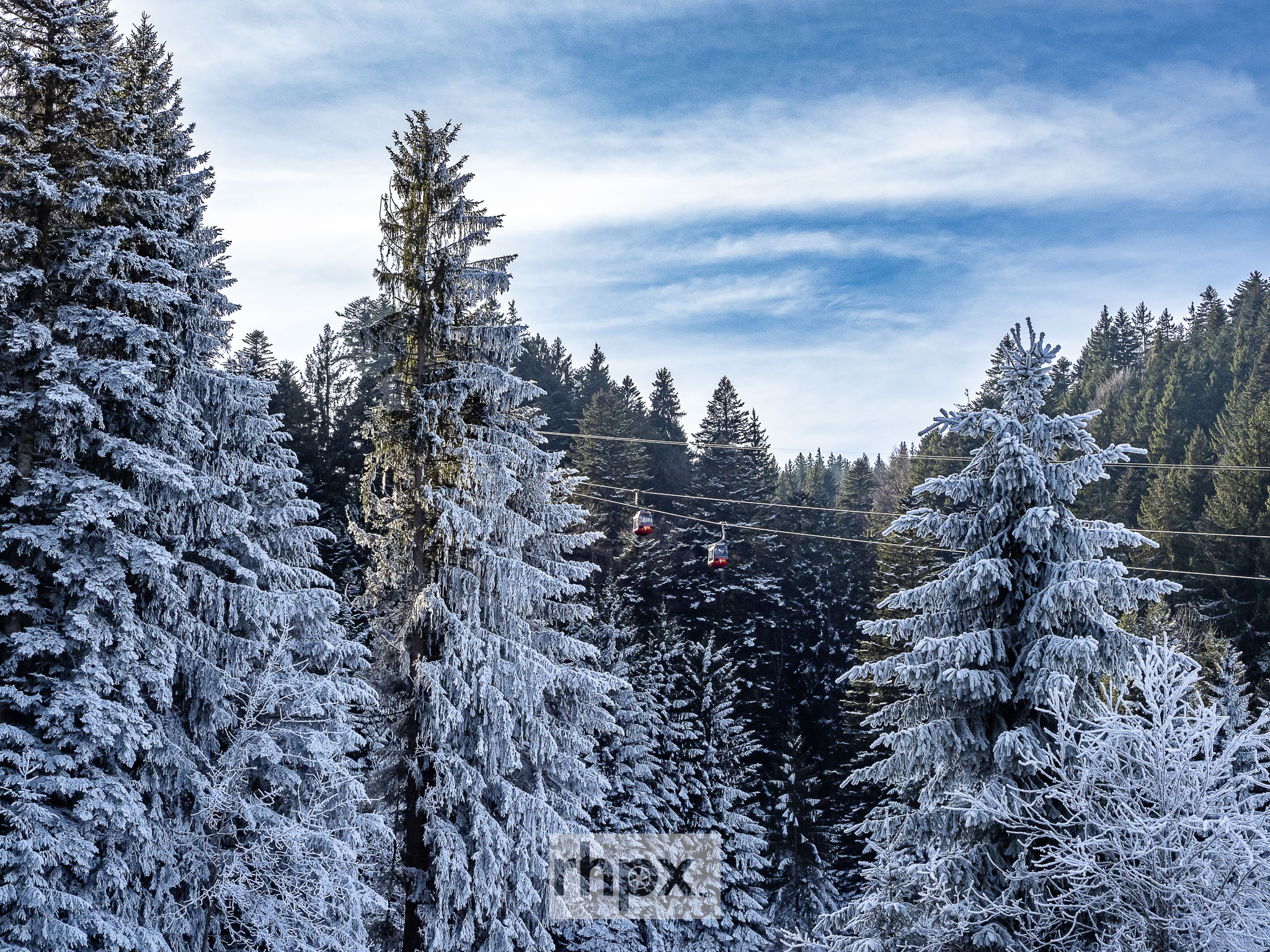
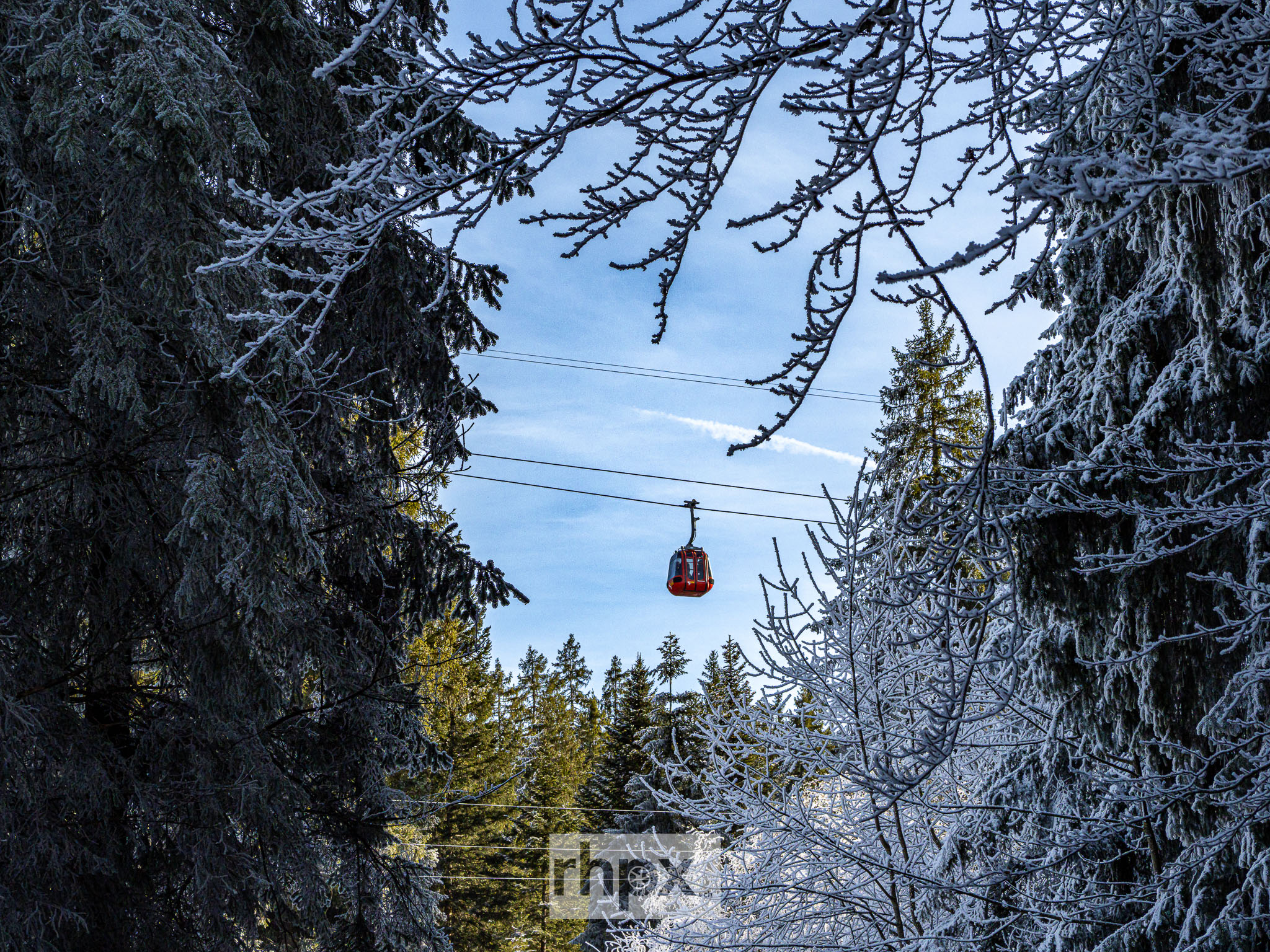
If you want to experience this winter atmosphere in a quieter way, an early ride is worthwhile. Instead of travelling directly to the summit, a stop at Krienseregg can be interesting. There you often find subtle forest scenes with snow, ice and backlight.
When photographing snow, exposure is important. Bright snowfields can mislead the camera and make images appear too dark. At the same time, it is worth paying attention to small details: frozen branches, footprints in the snow or single edges of light can sometimes be stronger than a wide panorama.
The view from the Dragon Path
For me, the Dragon Path through the rock is more than just a connecting tunnel. It almost works like a natural gallery. From inside the dark rock, individual openings reveal the bright winter landscape outside. The stone frames the view and creates depth without making the image feel staged.
The contrast between the rough, dark rock in the foreground and the bright snow outside is particularly strong. Depending on the position, the view leads towards the Klimsen Chapel, the mountain station or the open landscape. This combination of rock, architecture and winter light makes the place photographically interesting.
Photography tip for the Dragon Path
When photographing from inside the cave towards the outside, expose for the bright landscape. The rock walls can remain dark or almost turn into silhouettes. This naturally directs the viewer’s eye towards the subject in the bright opening.
This perspective is not about showing as many details as possible. It works through clear visual structure: a dark frame, a bright background and a calm main subject. The result is a very different impression from a classic panorama.
Transparency note: This article is not sponsored. It is based on personal impressions and photographic experience on location.
Image selection for this story
More photographs from this series are available in the complete gallery.
View the complete gallery